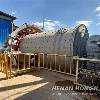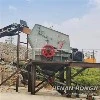

The operation of crushing equipment entails several safety hazards-primarily mechanical injuries, dust explosions, and noise-related risks-which must be mitigated through a combination of technical safeguards and standardized operating procedures.
1. Mechanical Injuries
When equipment is in operation, moving parts such as belts, gears, and crusher rotors-if left without protective guards or if such guards are damaged-pose a high risk of operators becoming entangled, crushed, or cut.
2. Dust Pollution and Explosions
The crushing process generates high concentrations of dust; long-term inhalation can lead to pneumoconiosis. Furthermore, in enclosed spaces, dust can pose an explosion risk if exposed to open flames or high temperatures.
3. Noise Hazards
Operating noise often exceeds 85 decibels. Prolonged exposure can result in hearing impairment and may contribute to health issues such as neurasthenia and hypertension.
4. Electrical Faults
Issues such as aging insulation, short circuits, or poor grounding can lead to electric shocks or electrical fires. Cables, switches, and grounding systems require regular inspection.
5. Flying Debris
During the crushing process, material may be ejected at high speed from the feed opening or the crushing chamber. Operators must wear protective face shields and maintain a safe distance.
6. Vibration and Loosening
Vibrations during prolonged operation can cause bolts to loosen and foundations to become unstable. Regular tightening and checks on the structural integrity of the equipment are necessary.
7. High-Temperature Burns
Components such as motors and bearings can reach surface temperatures exceeding 60°C during extended operation; contact with these parts can cause severe burns.