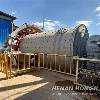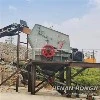

Crushing equipment is capable of processing a wide range of materials, primarily categorized into ores, construction waste, industrial residues, biomass, and chemical raw materials.
1. Ores
This category includes metallic ores (such as iron and copper ores) as well as non-metallic ores (such as limestone and quartz). Given the significant variations in their hardness and toughness, crushing equipment must possess the appropriate processing capabilities.
2. Construction Materials
This category primarily covers construction waste-such as concrete, bricks, and tiles-as well as natural stone. Once crushed, these materials can be repurposed as recycled aggregates, facilitating resource circulation; the final products are subject to strict particle size specifications.
3. Industrial Residues
Examples include blast furnace slag and steel slag. These materials are typically hard and highly abrasive. After being crushed, they can be used in cement production or as concrete admixtures, necessitating equipment that is both wear-resistant and operationally stable.
4. Biomass Raw Materials
This includes materials such as wood and straw. While relatively soft in texture, these substances have a high fiber content and generally require specialized crushers to ensure efficient downstream processing for applications in biomass energy or papermaking.
5. Chemical Raw Materials
Examples include soda ash and potassium sulfate. Many chemical raw materials are corrosive, flammable, or explosive; therefore, crushing equipment must be equipped with appropriate safety measures to ensure secure production.